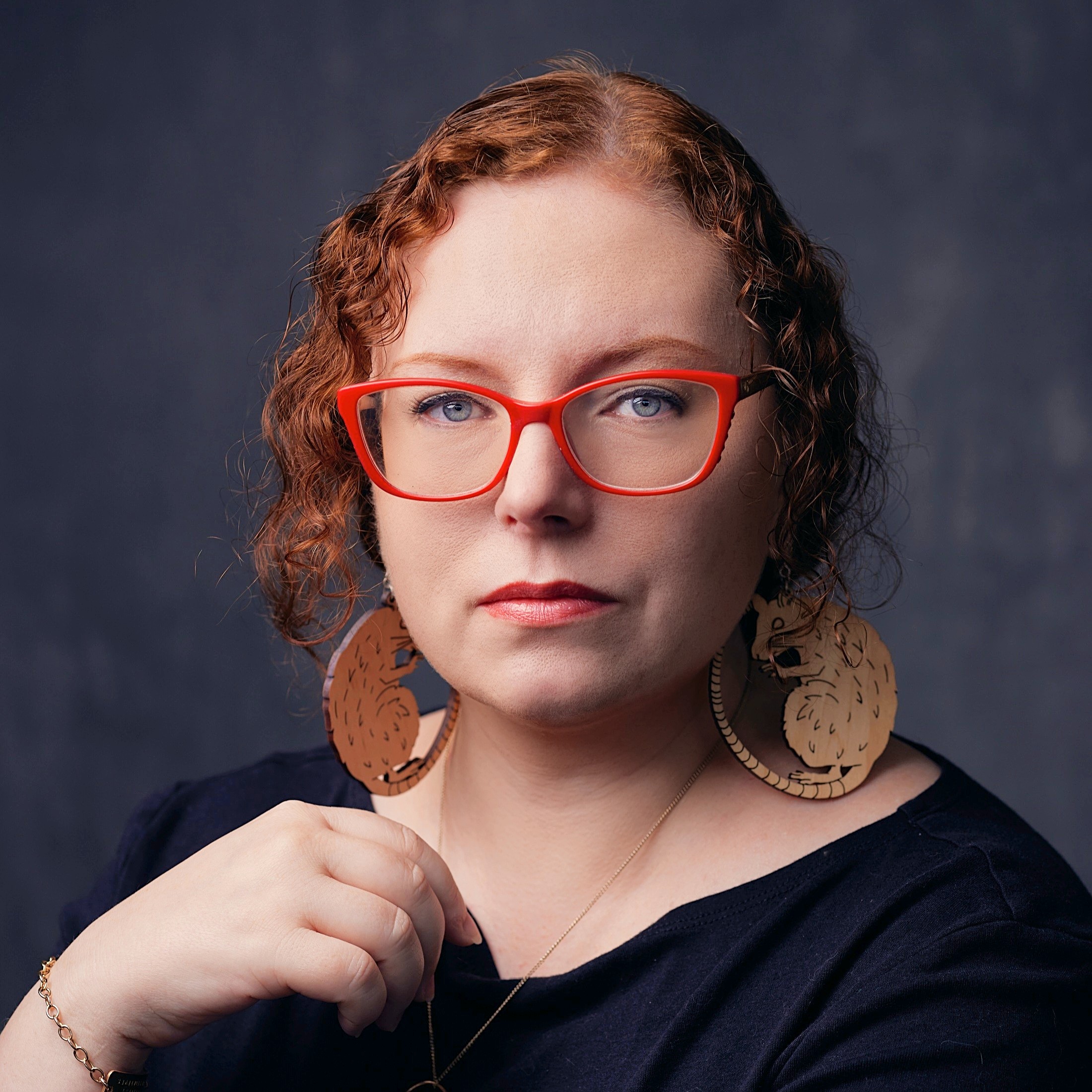
On “On Nothing”

Interview / Lauren Davis 


Lauren Davis

Lau­ren Davis

Edi­tor-in-Chief Sean Cho A.*: Lau­ren Davis’s debut sto­ry col­lec­tion, The Noth­ing (YesYes Books,  2025), draws read­ers into Wash­ing­ton’s Olympic Penin­su­la: a land­scape that’s as haunt­ing and mys­te­ri­ous as the strange worlds her char­ac­ters nav­i­gate. In our con­ver­sa­tion, Davis talked about how writ­ing fic­tion gave her a new cre­ative out­let beyond her poet­ry, opened up about the phys­i­cal toll that writ­ing can take, and explored how silence, set­ting, and the unex­pect­ed ele­ment shape sto­ries about iso­la­tion, loss, and unset­tling wonder.

While The Noth­ing is your debut prose work, you’ve been an accom­plished poet with mul­ti­ple col­lec­tions and chap­books: Home Beneath the Church (Fer­n­wood Press), When I Drowned (Kel­say Books), Each Wild Thing’s Con­sent (Poet­ry Wolf Press), The Miss­ing Ones (Win­ter Texts), and your work with Whit­tle Micro-Press.

In an inter­view with The Leader, you men­tioned, “I start­ed writ­ing poet­ry as soon as I could spell,” and lat­er, when dis­cussing The Noth­ing, you said “(fic­tion) was a place where I could exper­i­ment, with­out the pres­sure of it being any good.”

What fresh per­spec­tive did writ­ing fic­tion offer you? Were there moments of sur­prise when craft­ing The Noth­ing? Are there lessons you’re tak­ing back into your poet­ry practice?

The process of craft­ing The Noth­ing was made entire­ly of sur­pris­es. I was sur­prised to wit­ness the dark turns my mind kept tak­ing in the sto­ries I wrote, that fic­tion offered me a place to indulge my shad­ow side, much more so than in poet­ry. I was sur­prised that it was, in fact, quite plea­sur­able to take those dark turns. I was also sur­prised that, at oth­er times, espe­cial­ly the final edit­ing phase, it felt like I was using a dif­fer­ent part of my brain than I use for poet­ry, a part that was a bit atro­phied and low on oxygen. 

One thing that I did not expect was the seem­ing dis­ap­pear­ance of my abil­i­ty to write poet­ry. It was as if I could not write both poet­ry and fic­tion at the same time. I felt like I had been forced to choose, though I had not known at the time I was mak­ing a choice. I would sit down and try to write poet­ry and find I was writ­ing the same poem over and over, or that I was writ­ing what I was pret­ty sure was gib­ber­ish. This went on the entire time I was work­ing on final edits for The Noth­ing, and it con­tin­ued after the book was released. I had this belief that I had angered Poet­ry with a cap­i­tal P by turn­ing to fic­tion. That I had betrayed Poet­ry, and Poet­ry would no longer speak to me. This is a very fan­ci­ful way of think­ing about writ­ing, but it felt like the only expla­na­tion. I am accus­tomed to long silences in my cre­ative process. I have nev­er been a dai­ly writer. There have always been ebbs and flows. But this silence had a dif­fer­ent qual­i­ty to it, and it went on longer than nor­mal. I have writ­ten poet­ry since I was a small child. Why was the abil­i­ty sud­den­ly gone?

What I did not con­sid­er was my phys­i­cal health. If I had tak­en a bird’s‑eye view soon­er, I would have real­ized there was some­thing big­ger going on, and I would not have felt lost for so many months. My mind was not work­ing the same way it had been before because some­thing was wrong at the cel­lu­lar lev­el. It wasn’t until I was sit­ting on the couch one day short of breath for absolute­ly no dis­cern­able rea­son did I accept that I need­ed to go to the doc­tor and maybe get some blood­work. And only when the results came back, and I found out that I had a nutri­tion­al defi­cien­cy that could and would affect my cog­ni­tion, did I think to myself, no, maybe it is not Poet­ry pun­ish­ing me for step­ping out­side our rela­tion­ship. Maybe it is, in fact, that I need to take a sup­ple­ment. The irony is I had been read­ing books on neu­ro­plas­tic­i­ty for over a year, yet I had not con­sid­ered the cor­re­la­tion between my cre­ative health, over­all phys­i­cal health, and brain health.

It was eas­i­er for me to see how phys­i­cal pain or poor men­tal health could dis­turb my writ­ing process. It was much hard­er for me to accept how nutri­tion, or lack there­of, could com­plete­ly throw my cre­ative prac­tice off. I am pret­ty sure this means I am going to become an insuf­fer­able cre­ative writ­ing instruc­tor that rec­om­mends not only nature walks and a read­ing prac­tice, but also mul­ti­vi­t­a­mins, eight glass­es of water a day, and year­ly checkups. 

That being said, it’s obvi­ous I sim­ply do not have the reserves and sta­mi­na that oth­er writ­ers have. There are end­less exam­ples of writ­ers who have cre­at­ed mas­ter­pieces under extreme duress—mental, phys­i­cal, and spir­i­tu­al. But that’s not my story.

I don’t feel as if Poet­ry has left me now. I believe I had not main­tained the prop­er home for it, and nat­u­ral­ly, it could not live there. My present task is to recre­ate for it a benign, healthy place to preside.

I’m inter­est­ed in the worlds and tonal­i­ties The Noth­ing cre­ates: at times sur­re­al, at oth­ers ground­ed in real­i­ty, and some­times exist­ing in what you describe in an inter­view with What We Read­ing as “slip­stream.” These var­ied modes seem to play into recur­ring themes of iso­la­tion, loss, and grief, which often leave read­ers with what Aaron Burch notes as “a haunt­ing feeling.”

How are you think­ing about set­ting and place as vehi­cles for these themes? The spaces in your sto­ries often feel both spe­cif­ic and dream­like: how do you craft that bal­ance between the con­crete and the ethereal?

As a poet tran­si­tion­ing to fic­tion, set­ting isn’t some­thing you pre­vi­ous­ly “had to” con­sid­er in such con­crete fash­ion. Did the for­mal demands of cre­at­ing fic­tion­al set­tings lead to any inter­est­ing insights about how place func­tions in your work more broadly?

Most of the places men­tioned in these sto­ries, real and imag­ined, are on the Olympic Penin­su­la, where I live. The Olympic Penin­su­la is geo­graph­i­cal­ly iso­lat­ed. The ter­rain is large­ly rugged and much of it is unde­vel­oped and impass­able. Before mov­ing here, I was com­plete­ly igno­rant of the fact that there are rain­forests in the con­tigu­ous Unit­ed States. The trees are so large that, at first, they fright­ened me. You can walk into the rain­for­est a few feet and become com­plete­ly dis­ori­ent­ed and lost. I know, because it hap­pened to me.

These char­ac­ter­is­tics of the Olympic Peninsula—remoteness, rugged­ness, dan­ger­ous­ness, otherworldliness—made it the per­fect loca­tion for the sto­ries in The Noth­ing. The rain­forests will swal­low you with one wrong turn. There is already a nat­ur­al bal­ance between the con­crete and the ethe­re­al here. I just had to take advan­tage of it.

In my poet­ry, I’ve writ­ten about many loca­tions in Wash­ing­ton State, but I wrote about them more out of a sense of rev­er­ence. I don’t think that same lev­el of wor­ship­ful­ness comes through in The Noth­ing. Instead, there’s more def­er­ence and fear in my fiction.

I great­ly strug­gled with a sense of cohe­sion in this book, and “place” was the final thread that I delib­er­ate­ly sewed. When I was first orga­niz­ing the man­u­script, I kept order­ing the sto­ries with the same mind­set that I ordered pre­vi­ous poet­ry books. My pub­lish­er told me the sto­ries, in their pre­vi­ous order, were talk­ing to each oth­er. She said it as a neg­a­tive. I couldn’t under­stand how that was a prob­lem. I didn’t real­ize I need­ed to order things so that the sto­ries didn’t cre­ate a false sense of bleed­ing into each oth­er. Inter­con­nect­ed­ness wouldn’t come from one story’s end­ing insin­cere­ly echo­ing anoth­er story’s begin­ning. It came from theme, tone, and, last­ly, place.

I want­ed to dis­cuss one spe­cif­ic sto­ry, “Into the Sun” (also pub­lished in Cut­leaf in Novem­ber 2022). Ear­ly in the sto­ry, Jonathan “asks” ques­tions but his lips do not move, and there is no sound. By cut­ting out spo­ken dia­logue entire­ly, you plunge the read­er into an imme­di­ate sense of dis­lo­ca­tion: an uncan­ny absence of voice that mir­rors the char­ac­ters’ own uncer­tain­ty. This silence car­ries through to the final rev­e­la­tion of the lim­i­nal space: when they dig and dis­cov­er the glass bar­ri­er, the nar­ra­tor’s dream­ing body lies in per­fect, silent repose.

In poet­ry, white space func­tions as a form of silence: a place where what isn’t said becomes just as sig­nif­i­cant as what is writ­ten. How was the emp­ty dia­logue oper­at­ing for you in this sto­ry? Was it func­tion­ing as a kind of nar­ra­tive “white space” that both dis­ori­ents the read­er and pre­fig­ures the sto­ry’s rev­e­la­tion of the paused, lim­i­nal realm?

I’m not try­ing to be coy, but I real­ly don’t know where “Into the Sun” came from. When I sub­mit­ted it to lit­er­ary jour­nals, it felt like a leap. And lat­er, when the same edi­tor who accept­ed it for Cut­leaf helped me with the over­all struc­ture of The Noth­ing, I told him I nev­er real­ly expect­ed the sto­ry to land. He sug­gest­ed I make it the first sto­ry in the man­u­script, and I still felt like I was ask­ing too much of it. A great deal depends on the first sto­ry. It can make or break a book. But I took his sug­ges­tion, and he was, of course, right.

 My inten­tion with many of the sto­ries in The Noth­ing is to make the read­er ques­tion their expe­ri­ence and inter­pre­ta­tions con­stant­ly. I want the read­er to feel as if they are not on sol­id ground, as if they aren’t quite sure if what they are read­ing is a prod­uct of a character’s real or imag­ined expe­ri­ence. So in that respect, the white space was meant to dis­ori­ent the read­er. But there are things about the worlds I cre­at­ed that I will nev­er tell any­one. I was work­ing on a piece and anoth­er writer asked me, “Did xyz hap­pen?” And I said, “I don’t know.” And she said, “The read­er doesn’t nec­es­sar­i­ly have to know, but you need to know.” I’ve car­ried that insight into the cre­ation of every sto­ry. I know what’s going on, but it doesn’t mean I am going to tell any­one. So in that respect, I am, in fact, being quite coy. 

I appre­ci­ate your con­nec­tion between poet­ic white space and the white space in “Into the Sun.” There’s also an unin­ten­tion­al and unfore­seen metaphor there about the “white space” I expe­ri­enced in my cre­ative life while fin­ish­ing up The Noth­ing—that long cre­ative silence I am just now dig­ging my way out of. I think each moment of white space—in poet­ry, in the world of “Into the Sun,” and in the cre­ative life—holds more ques­tions than answers. I am a wor­ship­per of ques­tions. I fear the unknown. I fear uncer­tain­ty. But I also trav­el again and again, like a dis­ci­ple, to those blurred edges. What is devo­tion if not worship?

Lau­ren Davis is the author of the short sto­ry col­lec­tion The Noth­ing (YesYes Books), the poet­ry col­lec­tion Home Beneath the Church (Fer­n­wood Press), the Eric Hof­fer Grand Prize short-list­ed When I Drowned, and the chap­books Each Wild Thing’s Con­sent (Poet­ry Wolf Press), The Miss­ing Ones (Win­ter Texts), and Sivvy (Whit­tle Micro-Press). She holds an MFA from the Ben­ning­ton Col­lege Writ­ing Sem­i­nars. She is a for­mer Edi­tor in Res­i­dence at The Puri­tan’s Town Crier, and she is the win­ner of the Land­ing Zone Mag­a­zine’s Flash Fic­tion Con­test. Her sto­ries, essays, poet­ry, inter­views, and reviews have appeared in numer­ous lit­er­ary pub­li­ca­tions and antholo­gies includ­ing Prairie Schooner, Spill­way, Poet Lore, Ibbet­son Street, Ninth Let­ter and else­where. Davis lives with her hus­band and two black cats on the Olympic Penin­su­la in a Vic­to­ri­an sea­port community.

*Sean Cho A. per­formed this inter­view while Lau­ren Brazeal Garza, Inter­views and Reviews Edi­tor, was on hia­tus. Lau­ren curat­ed this interview.

On “Bad Mexican, Bad American and More”


José Hernán­dez Díaz

Edi­tor-in-Chief Sean Cho A.*: José Hernán­dez Díaz has long been a dis­tinc­tive voice in con­tem­po­rary poet­ry, merg­ing the sur­re­al with the deeply per­son­al. Across his col­lec­tions:The Fire Eater (Texas Review Press), Bad Mex­i­can, Bad Amer­i­can (Acre Books), The Para­chutist (Sun­dress Pub­li­ca­tions), and Por­trait of the Artist as a Brown Man (Red Hen Press): Díaz has cre­at­ed a body of work that is at once play­ful, haunt­ing, and deeply com­mit­ted to ques­tions of iden­ti­ty, place, and imag­i­na­tion. In our con­ver­sa­tion, he spoke about the evo­lu­tion of his prose poems, the bal­ance between sat­is­fac­tion and pub­li­ca­tion, and his phi­los­o­phy of teach­ing as a prac­tice root­ed in refuge and inspiration

In your 2017 Nation­al Endow­ment of the Arts fel­low­ship state­ment, you men­tioned your inter­est in writ­ing “sur­re­al, absurd, and exis­ten­tial prose poems.” Near­ly a decade lat­er, these ele­ments remain cen­tral to your work and form. For exam­ple, in your 2023 poem “José Emilio Pacheco’s Ghost and the Fly­ing Jaguar,” pub­lished in The Cincin­nati Review, the ghost of Pacheco rides a fly­ing jaguar.

In a 2024 inter­view with Poet Lore, you reflect­ed on your career evo­lu­tion: “At the begin­ning of my writ­ing career I want­ed to be known as an avant-garde Chi­cano poet who was pro­lif­ic and pas­sion­ate. Now that I have a cou­ple of books com­plet­ed and two more man­u­scripts I just fin­ished, I’m look­ing to have more of a bal­anced life, not just writ­ing, but more teach­ing and edit­ing as well.”

There seems to be an inter­est­ing con­nec­tion between your desire to be avant-garde and your poems grav­i­tat­ing toward the sur­re­al and absurd, as men­tioned in your NEA state­ment. How is your move­ment toward a more bal­anced life shap­ing the work on the page?

I think that over the years I’ve relied a lit­tle less on shock or sur­prise. Still do it plen­ty, but not sole­ly, as orig­i­nal­ly it was my main approach to prose poet­ry: the bizarre. Now, I can also appre­ci­ate an under­stat­ed prose poem, an auto­bi­o­graph­i­cal prose poem, one with no mag­ic at all, maybe more epiphany, an increased inter­est in vocab­u­lary where pre­vi­ous­ly I was more into the raw­ness of first thoughts and more stripped-down style. Ear­ly on I would rely less on edit­ing or revi­sion. I would­n’t say my work cur­rent­ly uses exces­sive revi­sion or makes you always run to the dic­tio­nary, but there is cer­tain­ly more now than in the past, that’s for sure.

As I say, I still have an ele­ment of sur­prise and won­der, less is more and raw­ness of style, but it has matured to some degree in my own assess­ment of the writ­ing over the years. I’ve also noticed in my ear­li­er works the speak­er was more like­ly to smoke a cig­a­rette or use alco­hol, where the more recent speak­ers rarely if ever drink or smoke, sim­i­lar to my cur­rent situation.

In your edi­to­r­i­al state­ment for the online cre­ative writ­ing edu­ca­tion com­mu­ni­ty Pock­etM­FA, you dis­cussed how your back­ground shapes your atti­tude toward writing:

Grow­ing up first-gen, low-income I had to work hard and stay pos­i­tive as I pro­gressed through life. I try to main­tain a sim­i­lar atti­tude with writ­ing, teach­ing, and edit­ing. Prob­lems can be worked through and ulti­mate­ly sat­is­fac­tion and/or pub­li­ca­tion can be reached.”

I was par­tic­u­lar­ly struck by your delin­eation of “sat­is­fac­tion and/or pub­li­ca­tion can be reached.” This seems to sub­tly posi­tion pub­li­ca­tion not as the ulti­mate goal but rather as one pos­si­ble avenue where a poem might land.

Giv­en your impres­sive pro­duc­tiv­i­ty as a poet, as a result of your tal­ent and work eth­ic, with recent col­lec­tions includ­ing The Fire Eater (Texas Review Press, 2020), Bad Mex­i­can, Bad Amer­i­can (Acre Books, 2024), The Para­chutist (Sun­dress Pub­li­ca­tions, 2025), and Por­trait of the Artist as a Brown Man (Red Hen Press, 2025) how are you think­ing about pub­li­ca­tion’s impor­tance and its sep­a­rate but par­al­lel rela­tion­ship to your writ­ing practice?

It might seem strange to hear that from me, but pub­li­ca­tion is not nec­es­sar­i­ly the goal. It is fine and icing on the cake, but the main goal is for a poem or prose poem to meet its full poten­tial. Once I feel a poem sounds, looks, and reads well, that is enough for me to be sat­is­fied. Of course, I would be lying if I said I did­n’t enjoy pub­li­ca­tion, but so long as I feel per­son­al­ly sat­is­fied that is the key because I can’t con­trol edi­tors or their sub­jec­tive tastes; so why both­er with that stress?

Of course, as I say, some things are eas­i­er said than done, and I am flesh and bone, ego, etc., like every­one else. So some­times I won­der why a poem isn’t picked up yet, but they usu­al­ly land, and if they don’t, maybe I will look it over, but it does­n’t always mean that a poem isn’t fin­ished or done or qual­i­ty just because it is not pub­lished to me. It has hap­pened where work gets passed up due to space, sub­jec­tive taste, oth­er rea­sons. With that said, I usu­al­ly get my work pub­lished most of the time. Maybe 90 to 95 per­cent of the poems I sub­mit. Some­times, I’ll even go back to look at work that nev­er land­ed and edit it if nec­es­sary and resub­mit to give it more “wow” fac­tor if pos­si­ble and they will even­tu­al­ly get pub­lished. But it is impor­tant to always keep in mind, for me, the goal is per­son­al sat­is­fac­tion with the poem; but that usu­al­ly means a poem is “pub­lish­able” or “sound” anyway.

You men­tioned your inter­est in pur­su­ing a more bal­anced life that includes teach­ing and edit­ing. You’ve taught cre­ative writ­ing at The Uni­ver­si­ty of Ten­nessee, UC River­side, and var­i­ous inde­pen­dent writ­ing com­mu­ni­ties. I’d love to hear about your teach­ing prac­tice. What do you hope stu­dents take away from your work­shops? What does it look like to expe­ri­ence the gift of being in one of Pro­fes­sor Díaz’s classrooms?

I like for my class­room to be a place of refuge from aca­d­e­m­ic pres­sure, soci­etal hier­ar­chies, tox­ic mas­culin­i­ty, racism, homo­pho­bia, col­orism, clas­sism. My class­room is a safe, wel­com­ing space. I want writ­ers to pur­sue cre­ative writ­ing with pas­sion, not by try­ing to ful­fill an assign­ment, oblig­a­tion, or to get a high grade. I try to make writ­ing approach­able, inter­est­ing, and an over­all invig­o­rat­ing expe­ri­ence. I want my stu­dents to be wowed, ener­gized, and organ­i­cal­ly inspired by the art of writ­ing poetry.

I tend to rely on def­i­n­i­tions, close read­ings, class­room dis­cus­sion and con­crete exam­ples to explore the writ­ing of estab­lished mas­ters. I also like to incor­po­rate a gen­er­a­tive aspect to the class, not just to gain insight into writ­ing but also to under­stand as writ­ers and read­ers the approach­es to writ­ing, inspi­ra­tions, craft back­bone and/or inter­pre­tive aspect of read­ing poet­ry as well.

I also enjoy shar­ing my own expe­ri­ences as a writer with the class whether that is regard­ing sub­mis­sions, rejec­tions, MFAs, fel­low­ships, man­u­script edit­ing, revi­sion, eco­nom­ic real­i­ties, teach­ing, men­tor­ing, etc. I also want them to know that I am there for them and care about their future, not just as artists or stu­dents but as humans liv­ing in an often com­plex soci­ety as well.

Jose Her­nan­dez Diaz (he, him, his) is a 2017 NEA Poet­ry Fel­low. He is the author of The Fire Eater (Texas Review Press, 2020) Bad Mex­i­can, Bad Amer­i­can (Acre Books, 2024) The Para­chutist (Sun­dress Pub­li­ca­tions, 2025) Por­trait of the Artist as a Brown Man (Red Hen Press, 2025) and the forth­com­ing, The Light­house Tat­too (Acre Books, 2026). He has been pub­lished in The Amer­i­can Poet­ry Review, Poet­ry Ire­land Review, The Lon­don Mag­a­zine, Poet­ry Wales, The Iowa Review, The South­ern Review, The Best Amer­i­can Non­re­quired Read­ing 2011 and The Best Amer­i­can Poet­ry 2025. He has taught cre­ative writ­ing at the Uni­ver­si­ty of Cal­i­for­nia at River­side, and at the Uni­ver­si­ty of Ten­nessee where he was the Poet in Residence.

*Sean Cho A. per­formed this inter­view while Lau­ren Brazeal Garza, Inter­views and Reviews Edi­tor, was on hia­tus. Lau­ren curat­ed this interview.

On “Mass for Shut-ins”

Interview / Mary-Alice Daniel

Mary-Alice Daniel 


Edi­tor Lau­ren Brazeal Garza: This year, The Account Mag­a­zine was hon­ored and excit­ed to sit down with Mary-Alice Daniel, win­ner of the 2022 Yale Younger Poet’s prize for her sear­ing col­lec­tion, Mass for Shut-ins. Daniels offered insight and inspi­ra­tion as she spoke about her var­i­ous approach­es to writ­ing her haunt­ing poet­ic debut.


With­in the first few lines of your col­lec­tion, Mass for Shut-ins the speak­er declares, “Your house isn’t haunt­ed – you’re just lone­ly,” which intro­duces us to a voice that isn’t afraid to speak star­tling truths, wrench­ing from us any delu­sions of com­fort we might cling to with­in these poems. How did you approach autho­r­i­al voice with­in Mass for Shut-ins? Did you begin to write with a par­tic­u­lar tenor in mind? Or did the tone find you?

Spir­its in mul­ti­ple valences haunt the land­scapes or dream­scapes I cre­ate: an umbra of earth­ly vice and unearth­ly totems. My poet­ic choic­es cen­ter 2 things: empha­sis & momen­tum. I want to call the right amount of atten­tion to some­thing (sub­tle­ty or not=tone). Speed: com­pres­sion, lin­eation, relax­ing reg­is­ter, stum­bling up a read­er or let­ting them get there faster. Dif­fer­ent usage of word, dif­fer­ent sin­gu­lar, gram­mar that’s slight­ly wrong/“off”. Do I want to sur­prise them? Or let them down? Or set them up? 

Much of the col­lec­tion works to under­stand a great con­tra­dic­tion: humanity’s lack of con­trol over the uni­verse despite our mon­u­men­tal efforts to do so. How did these ideas influ­ence the col­lec­tion? Did one, in par­tic­u­lar, nag at you as you wrote? 

My poems har­ness and unleash a holy mess of con­flict­ing cul­tures & spir­it worlds: Islam, Chris­tian­i­ty, mag­ic. They per­form cul­tur­al exca­va­tions and experiments—reseeing region, reli­gion, race. I delve into a mil­len­ni­um of oral his­to­ry from my Islam­ic Fulani tribe, along with our indige­nous animism—both in con­flict with the Evan­gel­i­cal gospel I was raised to revere. I ven­ture through invis­i­ble fields of spir­i­tu­al war­fare in my poems. They aren’t auto­bi­o­graph­i­cal; they are phan­tas­mal. My world-build­ing weaves famil­ial lore and folk­ways; new media and mass cul­ture; sci­ence, pseu­do­science, and syn­cretism

My poems nat­u­ral­ly encounter super­nat­ur­al sys­tems. Grow­ing up, I was cau­tioned that express­ing neg­a­tiv­i­ty invites curs­es. You incite your own unluck. There is “pow­er” in the tongue, where poi­son can entice malig­nant enti­ties into this dimen­sion. While writ­ing Mass for Shut-Ins, always in the back of my mind was my trans­gres­sion of this super­sti­tion. Tempt­ed by taboo, I write about uncon­trol­lable human impulses—to hurt our­selves and each other—indulging my life­long flir­ta­tion with all that is off-lim­its. My books mull over my apoc­a­lyp­tic para­noia, my loom­ing death(s), and the Hells I pre­dict I’m head­ing to, soon. Briefly, I’m anchored—to this body that dai­ly fights decay; to this sunny/sinful city of angels. Then I remem­ber that my body is Black; my Los Ange­les is an anti-par­adise; my med­ica­tions may cause madness.

In a sim­i­lar vein, ideas of moral­i­ty fre­quent­ly appear in this col­lec­tion but are often jux­ta­posed against a world indif­fer­ent to them—or at the very least, intent on ignor­ing them. The speak­er seems both bound to and dis­en­chant­ed by reli­gion and spir­i­tu­al­i­ty. Can you tell us a lit­tle about these ideas in your work? 

Dream­scapes host—and hold hostage—mutant/machine plus flesh/disease, human/demon, science/miracle, mercy/hellfire. The atmos­phere is charged by folk mythol­o­gy and syn­cretism. My eth­nic Fulani tribe is essen­tial­ly syn­ony­mous with Islam, but I was raised by Evan­gel­i­cal par­ents in a sphere of fun­da­men­tal­ism and apoc­a­lyp­tic para­noia. Along­side such extremes, the indige­nous beliefs of Nige­ria survive—within my fam­i­ly, seen in the cen­ter­ing of super­sti­tion, the cre­dence in curs­es. Per an occult Niger­ian rit­u­al, a will­ing human ves­sel may be pos­sessed by a pan­theon of spir­its. Spir­its pop­u­late my writ­ing, their pres­ence pre­sent­ing the prospect of being haunt­ed or hunt­ed. Inhu­man inhab­i­tants prowl about: godlings, ghosts, bots, birds, major or minor saints. Poet­ry is invo­ca­tion—oppo­site of exor­cism. I invite the oth­er­word­ly inside. 

Through­out my man­u­script, we encounter the spir­its of icon­ic female figures—the fall­en woman; the Bell Witch; the “ultra-black” god­dess Kali; San­ta Muerte, the death saint; Mary, Vir­gin Queen of Heav­en; an aging, light-pho­bic Hol­ly­wood actress; Christi­na the Aston­ish­ing (the patron saint against insan­i­ty); an anthro­po­mor­phic she-goat; a space­girl; a pil­lar of salt. On each of my many, many moons lives a lady. 

You often ref­er­ence Los Ange­les, where you lived while part of this col­lec­tion was writ­ten; and West Africa — Nige­ria, specif­i­cal­ly, where you were born. Place plays a fun­da­men­tal role with­in these poems— though most­ly as spaces the speak­er ori­ents them­selves on the periph­ery of. In these poems, there is no “home” and nowhere is safe. What do terms like homeplace, and set­ting mean to you as a poet? 

The term “uncan­ny” is derived from its direct oppo­site in Ger­man, heim­lich, mean­ing “home­like” or “native.” The uncan­ny unset­tles the home—it turns eerie and intru­sive. I am a nomad of many homes and no home; nat­u­ral­ly, my poet­ry charts far val­leys of the uncanny.

Today, my research tar­gets egre­gious gaps and errors in West Africa’s his­toric and writ­ten record. I do this out of neces­si­ty. The glar­ing lack of use­ful doc­u­ments pub­lished about my native land  proves both frus­trat­ing and gen­er­a­tive. So ignored is that ter­rain that the maps inside my mem­oir, A Coast­line Is an Immea­sur­able Thing (HarperCollins/Ecco 2022), had to be drawn by an illus­tra­tor: my pub­lish­er and I found noth­ing mark­ing the loca­tions I men­tion. Every time I review the body of lit­er­a­ture from my over­looked region, I am aston­ished by the dis­tor­tion in its report­ing and rep­re­sen­ta­tion. The scarce avail­able mate­ri­als are typ­i­cal­ly dat­ed; deroga­to­ry; lim­it­ed in detail; lack­ing in depth. At first dis­mayed by our era­sure, I real­ized an expan­sive, ongo­ing oppor­tu­ni­ty to counter ero­sion. To incar­nate my own inheritance. 

When­ev­er we speak the name of a place, we become par­tic­i­pants in its sto­ry­line. While a PhD stu­dent at USC, I sought to under­stand my adopt­ed envi­rons. I am drawn to desert, assim­i­lat­ing from a sim­i­lar clime. The set­ting of La La Land lent a sur­re­al­i­ty to my schol­ar­ship. The ety­mol­o­gy of the name of the state alludes to Calafia, the queen of a fic­tion­al island inhab­it­ed exclu­sive­ly by black-skinned women: a fan­ta­sy ter­ri­to­ry invent­ed in a 16th-cen­tu­ry Span­ish nov­el. Her char­ac­ter recurs in my work: a focal fig­ure in my doc­tor­al dis­ser­ta­tion and memoir—a muse. 

My kalei­do­scop­ic book braids a sequence of essays—each sets a scene nest­ed in Nigeria’s dias­po­ra. Afro-Pales­tine; Ukraine; the tex­tile dis­tricts in Guangzhou; sampi­etri­ni cob­ble­stone streets in Sici­ly; Texas; Thai­land; Moroc­co; the Amer­i­c­as, where our indige­nous spir­i­tu­al­i­ty sur­vived transat­lantic slave trade, remade into the mis­un­der­stood San­tería, Hait­ian Vodou, Louisiana Voodoo, Hoodoo. As the prog­e­ny of pas­toral­ists, I have odysseyed the world. My book relates African assim­i­la­tion and adaptation—via per­son­al encoun­ters. Wher­ev­er Nige­ri­ans go, we ani­mate a cor­pus of culture.

Mary-Alice Daniel was born near the Niger/Nigeria bor­der, then raised in Eng­land and Ten­nessee. Her poet­ry debut, Mass for Shut-Ins (2023), won the 117th Yale Younger Poets Prize and a Cal­i­for­nia Book Award. In 2022, Ecco/HarperCollins pub­lished her tri­con­ti­nen­tal mem­oir, A Coast­line Is an Immea­sur­able Thing, which was Peo­ple’s Book of the Week and one of Kirkus Reviews’ Best Non­fic­tion Books of the Year. A Cave Canem Fel­low and an alum­na of Yale Uni­ver­si­ty (BA) and the Uni­ver­si­ty of Michi­gan (MFA), she received a PhD in Eng­lish Lit­er­a­ture & Cre­ative Writ­ing from the Uni­ver­si­ty of South­ern Cal­i­for­nia. She held the 2024 Mary Routt Endowed Chair of Writ­ing at Scripps Col­lege and turns to her third and fourth books of poetry/prose as a schol­ar at Prince­ton University.

Interviews: An Introduction

Introduction / Lauren Brazeal Garza

Lau­ren Brazeal Garza

In our 10th year of Pub­li­ca­tion The Account: A Jour­nal of Poet­ry, Prose, and Thought is open­ing a new Inter­views sec­tion. Cham­pi­oning this new ven­ture is the bril­liant Lau­ren Brazeal Garza. 

Our inau­gur­al inter­views sec­tion fea­tures Lau­ren in dis­cus­sion with for­mer Account con­trib­u­tors Jen­nifer Givhan (poems in our 2020 issue), and Jen­ny Mol­berg (poems in our 2022 issue).

Lauren’s thought­ful intro­duc­tion below. 


*

Lau­ren Brazeal Garza: The Account Mag­a­zine is a jour­nal that has always con­sid­ered the author’s own account of their work along­side their writ­ing, so it was the real­iza­tion of a dream to begin an inter­views fea­ture for this issue. I was for­tu­nate to have con­ver­sa­tions with two for­mer con­trib­u­tors to The Account: Jenn Givhan and Jen­ny Mol­berg, who have both recent­ly released col­lec­tions of poet­ry, Givhan’s Bel­ly to the Bru­tal (Weslyan Poet­ry Series) and Molberg’s The Court of No Record (LSU Press). Over the course of the sum­mer, both poets shared insights into their craft, explor­ing how themes of sur­vived trau­ma and bear­ing wit­ness man­i­fest with­in each collection.


*

Jen­nifer Givhan in con­ver­sa­tion with Lau­ren Brazeal Garza

Pur­chas­ing infor­ma­tion on Bel­ly to the Bru­tal, Jen­nifer Givhan 


Jen­ny Mol­berg in con­ver­sa­tion with Lau­ren Brazeal Garza

Pur­chas­ing infor­ma­tion on The Court of No Record, Jen­ny Molberg 


*

Lau­ren Brazeal Garza received her M.F.A in poet­ry from Ben­ning­ton Col­lege, and is com­plet­ing her Ph.D. in lit­er­a­ture from UT Dal­las, where she is also a cre­ative writ­ing instruc­tor. She is the author of the full length col­lec­tion Gut­ter (Yes Yes Books, 2018), a mem­oir-in-verse about her home­less­ness as a teenag­er. She has also pub­lished three chap­books of poet­ry, most recent­ly, San­ta Muerte, San­ta Muerte: I Was Here, Release Me (Tram Edi­tions, 2023), a series of fic­tion­al inter­views with ghosts. Her poet­ry, lyric essays, and fic­tion has appeared in Poet­ry North­west, Waxwing, and Verse Dai­ly among many oth­er jour­nals. She can be found haunt­ing her web­site at www.lbrazealgarza.com

On “Belly to the Brutal”

Interview / Jennifer Givhan

Jennifer Givhan

Edi­tor Lau­ren Brazeal Garza: Jenn Givhan was kind enough to offer an account of her her wrench­ing and often heart­break­ing fourth book of poems, Bel­ly to the Bru­talDur­ing our inter­view, Givhan gen­er­ous­ly touched on ideas of moth­er­hood (and how it changes time itself), gen­er­a­tional and car­ried trau­mas, what it means to be haunt­ed, and the process of writ­ing as a means of spir­i­tu­al survival

Your most recent col­lec­tion, Bel­ly to the Bru­tal, explores ideas of lin­eages of trau­ma and how trau­ma can be inher­it­ed. Can you tell us more about what inspired you to speak to this impor­tant top­ic with­in the col­lec­tion and/or indi­vid­ual poems?

When I was a new moth­er time didn’t make sense. It stretched, it stuck. It grew pon­der­ous. Heavy at times. Gauze thin at oth­ers. Moth­er­hood is a time machine. Now that my chil­dren are teens, I feel the weight of their mat­ter pulling me, stretch­ing the fab­ric of space­time toward their cen­ters of gravity.

Root­ed in my Mex­i­ca cul­ture, my work explores cycli­cal exis­tence, empha­siz­ing the intri­cate rela­tion­ship between women, chil­dren, nature, and the spir­its that inhab­it spaces between time and language.

All of these hid­den or under­bel­ly expe­ri­ences speak of what trav­els through the cells, the inner work­ings, what’s in the DNA, what we pass on in the unspo­ken as well as stories.

My work delves into the unspo­ken, the omit­ted and for­got­ten, the buried and record-struck. I’ve long advised writ­ers to say the damn thing—and I try nev­er to shy away from the unsayable. Secrets in our house and my mother’s house and her mother’s before that meant a girl­child harmed and I’ll nev­er abide by keep­ing things hid­den that need to be blood­let and the poi­son pulled out. I’ll nev­er be shamed or harassed into silence. And yet—we can make omis­sions as writ­ers for the haunt­ing spaces they cre­ate in their wake—the sense that what once lived there has moved on—narrative, mem­o­ry, or pain. Louise Glück says that “delib­er­ate silence” is “anal­o­gous to the unseen… to the pow­er of ruins… [which] inevitably allude to larg­er con­texts; they haunt because they are not whole, though whole­ness is implied.” Some­thing of their spir­it is still intact in the work. The ruins of what might have been linger. Even that which stays buried can be redeemed. 

All of this relates, for me and my poems, into what we car­ry through the DNA. Wounds through the womb.

Our genet­ic mem­o­ry car­ries tales of trau­ma and tri­umph, passed down from our antepasa­dos, con­nect­ing us in ways both tan­gi­ble and intan­gi­ble. Sci­en­tif­ic rev­e­la­tions sug­gest we car­ry trau­ma in our genes, echo­ing our ances­tors’ expe­ri­ences. The lan­guage of our lin­eage can bind us to our past for bet­ter or worse, as San­dra Cis­neros and Glo­ria Anzaldúa have expound­ed in their sem­i­nal works. For some, soci­etal dis­crim­i­na­tion against ances­tral lan­guages has led to cul­tur­al dis­con­nec­tion and rootlessness.

The fact that we actu­al­ly car­ry trau­ma in our DNA haunts me. It expands hor­rif­i­cal­ly like an imag­i­na­tive bomb in my brain… to think of all the world’s hor­rors with­in us, claim­ing us, and not let­ting us go, and that this is cel­lu­lar, in the blood…

But there is a sav­ing take­away. As soci­ol­o­gist Avery Gor­don in Ghost­ly Mat­ters argues: “The way of the ghost is haunt­ing, and haunt­ing is a very par­tic­u­lar way of know­ing what has hap­pened or is hap­pen­ing. Being haunt­ed draws us affec­tive­ly, some­thing against our will and always a bit mag­i­cal­ly, into the struc­ture of feel­ing of a real­i­ty we come to expe­ri­ence, not as cold knowl­edge, but as trans­for­ma­tive recognition.” 

The key word here is trans­for­ma­tion. When the ghosts of our past or our ances­tors’ pasts come to us, in means that some­thing needs to be done, some­thing needs to change. 

In our poems, as in our lives, we have the mar­velous abil­i­ty to trans­form real­i­ty, as well as to see the trans­for­ma­tive real­i­ty that already exists (around and with­in us). 

So while our genes car­ry our Ancestor’s trau­ma, we must also be echoes of their joys. I have start­ed try­ing to cap­ture this in Bel­ly to the Bru­tal, but I sense the next jour­ney of my poet­ic path is to keep cap­tur­ing the joy onto the page.

In this col­lec­tion, ideas of wound­ing, being wound­ed, and the wound are woven in almost every poem in this col­lec­tion. These man­i­fest both as phys­i­cal, psy­cho­log­i­cal, and spir­i­tu­al injuries. Can you speak to how this theme developed? 

As writ­ers, per­haps more than aver­age folks, we like­ly have a deep, abid­ing sense that in some way, we’re already all bro­ken. Or, we’ve all been bro­ken at some point. And that the nar­ra­tives we’re writ­ing and revis­ing and recre­at­ing in our poems draw from that foun­da­tion­al frac­ture. As Leonard Cohen sang, “There is a crack in every­thing. That’s how the light gets in.” 

In my poem drafts I tend to write the same beat­ing heart over and over. Cheryl Strayed calls it the sec­ond heart and writes about get­ting down on the floor to pull this sec­ond heart from one’s chest onto the page. I think of “The Two Fridas” by Fri­da Kahlo, each with a heart, one broken. 

Tony Hoagland calls the flood sub­ject or foun­da­tion­al frac­ture one’s “myth­i­cal wound.”

Kim Addonizio writes in Ordi­nary Genius, “I had dis­cov­ered the thing I want­ed to keep close to me for the rest of my life, and if I did that, my tute­lary spir­it would watch over me, would teach me what I need­ed to know… This is your genius: your own pro­found desire to write.” Desire will only get us so far. It’s when we put our “ass to the chair,” she says, that our demons will show up. The demon, then, for some of us, is what­ev­er holds us back from writ­ing the thing we’re meant to write. That keeps us scrub­bing floors both lit­er­al and metaphor­i­cal rather than sit­ting down at the key­board and, as Hem­ing­way famous­ly said, bleeding. 

Addonizio’s demons res­onate with my own, which spew ven­om in my ears, even after pub­lish­ing five full-length col­lec­tions of poet­ry and two nov­els; my demons taunt: I’ve been writ­ing the same damn poem over and over—I should be more polit­i­cal. No, wait, I should real­ly be more per­son­al. But some­how uni­ver­sal, and not nar­cis­sis­tic. I’ve been accused of con­fess­ing. I should be more eso­teric. I’m lost. I’m floun­der­ing. I can­not scratch my way out. To hell with it, I give up.

Except, for me, giv­ing up has too often meant more than nev­er writ­ing again. 

So writ­ing has been survival. 

I must con­tin­ue writing. 

And what almost invari­ably comes is my deep myth­ic wound, in what­ev­er form: Heart­break that stems from my first love hav­ing a baby with anoth­er young woman—when I’d lost our baby to miscarriage. 

No mat­ter what else I write. The myth­ic wound often finds a way of needling itself through. 

I’ve healed again and again. I write myself into heal­ing again and again. 

But the sec­ond heart that con­tin­u­al­ly needs excis­ing every time I begin a new project is this: I want­ed to become a moth­er and couldn’t. And then I could. 

After strug­gling for years with infer­til­i­ty, I adopt­ed my son when I was twen­ty-three years old—this was sev­en years after the trau­mat­ic expe­ri­ences at the Clin­i­cas de Salud with my high school boyfriend. 

In my life, I trans­formed my reality. 

Lat­er, I wrote a nov­el about a young woman who gives birth to a stillborn—and then comes to believe that a baby doll she names Jubilee is the daugh­ter she lost. The sto­ry was inspired by Reborns, dolls that are cre­at­ed to look just like “real” babies, and that can be cus­tom ordered to look just like chil­dren who have grown up or passed away; they are “reborn.” Reborns fall into the uncan­ny val­ley and are often described as “creepy,” though I see them as a beau­ti­ful transformation.

When I couldn’t have chil­dren, when my body wouldn’t coop­er­ate, when the lines wouldn’t trans­form into a pink cross, or when the pink cross did appear but then the bright red pop­pies began their painful stain, I made myth. I became a moth­er in my poems and my babies were alive and the blood flow­ing out didn’t mean dead

When I adopt­ed my son and I had no idea what I was doing and felt like a body snatch­er like a thief like an imposter and his col­ic-stressed body and his sleep­less-help­less body kept us both in per­pet­u­al dream­state and I was afraid always he’d wake some day and scream You’re not my real moth­er, instead, we cre­at­ed myth. We became myth­i­cal, to each oth­er. In our mutu­al need. The myth of moth­erlove car­ried us; it car­ries us still, through thick real­i­ty, through thick real­i­ty we learn each day to love. 

Whether I have a sto­ry or poem or spark in mind when I begin writ­ing, every jour­ney­ing onto the page begins for me as a plung­ing down­ward, into the heartgut or through it, and there I must begin digging.

I don’t know if the wound will ever heal. But I’ve cre­at­ed so many beau­ti­ful things from it that even if I die with this hole in my heart, it’s a hole that’s sprout­ed whole ecosys­tems that’ve fed those I’ve loved. 

An over­ar­ch­ing theme in The Account Mag­a­zine is the act of offer­ing “an account”—of bear­ing wit­ness, or car­ry­ing and offer­ing tes­ti­mo­ny. How do you see the poems in Bel­ly to the Bru­tal  inter­ro­gat­ing these ideas?

Most of my work deals with the mon­strous in some way. Bel­ly to the Bru­tal grap­ples with mon­strous moth­er­hood. Moth­er­ing through men­tal illness. 

Some­times the mon­sters don’t need our slay­ing, but our compassion—our empa­thy and under­stand­ing. Some­times the mon­sters are not mon­sters but cap­tive to the dark pow­er wrecked upon them. Some­times, they need us only to wit­ness. To see them.

This newest col­lec­tion was about extend­ing that same com­pas­sion I give out­ward mon­sters to myself. See­ing the seeds of trau­ma grown into vio­lence with­in me—and for­giv­ing myself. But first, I had to bear witness. 

And it was damn painful at times. 

Of writ­ing mon­sters, Karen Rus­sel writes of hav­ing empa­thy for them: “Poor moth­er­less thing. Look at it looking.”

I want­ed to show how even moth­ered things can be acci­den­tal­ly moth­ered into vio­lence that needs root­ing out. How machis­mo cul­ture, how the vio­lences enact­ed upon girls and women… how that can all con­tribute to unin­ten­tion­al­ly pass­ing those on as norms. And how one moth­er needs to be brave and self-aware enough to stand up and say, Bas­ta. Enough. To stop those cycles of vio­lence from repeating. 

So the moth­er at the end of my col­lec­tion births her­self anew, as Fri­da Kahlo in her vis­cer­al paint­ing, birthing her own damn self. And in my col­lec­tion, the moth­er does it when she births her daugh­ter and real­izes that she has a chance to remoth­er her­self along­side her daughter. 

In bear­ing wit­ness to my children’s lives, I was able to wit­ness, again, my own child­hood and my mother’s strug­gle from a new lens that lent me empa­thy and grace I couldn’t feel when I was hurt­ing with­in it.

Jen­nifer Givhan is a Mex­i­can-Amer­i­can and Indige­nous poet and nov­el­ist from the South­west­ern desert and the recip­i­ent of poet­ry fel­low­ships from the Nation­al Endow­ment for the Arts and PEN/Rosenthal Emerg­ing Voices.

Her newest poet­ry col­lec­tion Bel­ly to the Bru­tal (Wes­leyan Uni­ver­si­ty Press) and nov­el Riv­er Woman, Riv­er Demon (Black­stone Pub­lish­ing) both draw from her prac­tice of bru­jería. Her lat­est nov­el was cho­sen for Amazon’s Book Club and as a Nation­al Togeth­er We Read Library Pick and was fea­tured on CBS Morn­ings. It also won an Inter­na­tion­al Lati­no Book Award in the Rudol­fo Anaya Lati­no-Focused Fic­tion category.

Her poet­ry, fic­tion, and cre­ative non­fic­tion have appeared in The New Repub­lic, The Nation, POETRY, Tri­Quar­ter­ly, The Boston Review, The Rum­pus, Salon, Ploughshares, and many oth­ers. She’s received the South­west Book Award, New Ohio Review’s Poet­ry Prize, Phoebe Journal’s Greg Grum­mer Poet­ry Prize, the Pinch Jour­nal Poet­ry Prize, and Cutthroat’s Joy Har­jo Poet­ry Prize.

On “The Court of No Record”

Interview / Jenny Molberg

Jen­ny Molberg

Edi­tor Lau­ren Brazeal Garza: Jen­ny Molberg’s The Court of No Record sear­ing­ly draws inspi­ra­tion from court pro­ceed­ings and crim­i­nal inves­ti­ga­tions, show­ing how the crim­i­nal jus­tice sys­tem ulti­mate­ly fails women. Dur­ing our inter­view, she offered won­der­ful insights into the cre­ation of the col­lec­tion, touch­ing upon erasure—and how vic­tims of crime are often called upon to erase them­selves and their truth in per­suit of jus­tice, the banal­i­ty of evil and silenc­ing, and how poet­ry bears wit­ness to the unsayable. 

Your most recent col­lec­tion, The Court of No Record, explores ideas of trau­ma and how trau­ma can inhab­it and even erase one’s entire iden­ti­ty. Can you tell us more about what inspired you to speak to this impor­tant top­ic with­in the col­lec­tion and/or indi­vid­ual poems?

In an essay I return to again and again, Sol­maz Sharif’s “The Near Tran­si­tive Prop­er­ties of the Polit­i­cal and Poet­i­cal: Era­sure,” she writes, “After all, the pro­lif­er­a­tion of era­sure as a poet­ic tac­tic in the Unit­ed States is hap­pen­ing along­side a pro­lif­er­a­tion of our aware­ness of it as a state tac­tic. And it seems, many era­sure projects today hold these things as unre­lat­ed. Still, when it comes to era­sure, this very form of palimpsest, the ghost is not only death or the degra­da­tions of time—the ghost is the state itself.” 

In the wake of inti­mate part­ner vio­lence, with expe­ri­ences of past trau­ma and sex­u­al assault press­ing their hands against my inner mir­ror, I found myself in court, sev­er­al times, try­ing to artic­u­late my Truth against what the court allowed me to speak of the truth. The whole sto­ry, the con­text of a sit­u­a­tion, the big pic­ture of the Truth, I’ve learned, is alarm­ing­ly irrel­e­vant to the U.S. court sys­tem. It’s inter­est­ing that you use the word “erase” in this ques­tion, as I wrote many of these poems as an out­cry, a reac­tion, and a defense of the self I knew, fight­ing against what a tox­i­cal­ly mas­cu­line cul­ture, and a “jus­tice” sys­tem want­ed me to erase of myself. In the midst of trau­ma, I often had the sense that I, as I had once known myself, was slip­ping away, buy­ing into the gaslight­ing waged against me, until my own per­cep­tion of real­i­ty became mud­dled, like I was look­ing at a famil­iar lake through thick fog.

After the events that were the impe­tus of this book (which, iron­i­cal­ly, are dan­ger­ous to direct­ly address in writ­ing), I was left with near­ly 400 pages of court tran­script. I want­ed to cre­ate, in Sharif’s words, a kind of palimpsest with that text, where I could write the truth over what hap­pened to me—a com­plete and vio­lent dis­re­gard of my truth, a state-sup­port­ed silenc­ing. In writ­ing these poems, I had expe­ri­enced enough self-era­sure, so I want­ed to insert, to foot­note, to make addi­tions to the text of trau­ma. I want­ed to paint over the exist­ing por­trait of me, because it wasn’t the truth; in doing so, I felt that I was prob­a­bly speak­ing towards the expe­ri­ence of many oth­er sur­vivors who are unsafe in telling their sto­ries. I want­ed to write in a kind of sec­ondary lan­guage to any­one who had expe­ri­enced inti­mate part­ner vio­lence, abuse, and assault—to cre­ate a court­room where we might be heard, an under­ground record of the actu­al truth. 

Han­nah Arendt spoke of the banal­i­ty of evil. Many of the poems in The Court of No Record explore this idea though their form and technique—particularly in the sec­ond sec­tion. Can you speak to how this evolved as you wrote the collection? 

I think this ques­tion is a per­fect segue from the first—in order to cre­ate a truth­ful court­room set­ting, I had to play into the banal­i­ty of its silenc­ing, to use form and lan­guage that spot­light­ed its some­times-absurd eva­sions of the truth, and to invent char­ac­ters that embod­ied the relent­less silenc­ing of sur­vivors. For exam­ple, when I wrote per­sona poems from the per­spec­tive of the abuser’s lawyer, I wrote most­ly in misog­y­nis­tic vers­es from the Old Tes­ta­ment, as this mir­rored the expe­ri­ence of being shamed and humil­i­at­ed for liv­ing in a female body and speak­ing out against abuse. When I wrote the sec­ond section’s “evi­dence” poems to cap­ture the undoc­u­ment­ed evi­dence of abuse or assault—the invis­i­ble proof of memory—I used Ade­laide Crapsey’s cinquain form, a high­ly for­mal syl­lab­ic verse, to show that evi­dence of abuse can be proven in exact mea­sure­ments, but is all too often dismissed. 

The fact that I had to be care­ful about what I was saying—that I need­ed to, in Emi­ly Dickinson’s words, “tell it slant” in order to pro­tect myself and others—created a sim­i­lar sit­u­a­tion to writ­ing in fixed form. That is, I need­ed to write from the mar­gins of my own expe­ri­ence rather than in a Con­fes­sion­al mode—there were intrin­sic for­mal con­straints. I looked to the work of female foren­sic sci­en­tists, dream lan­guage, and metaphor (like the dogs in the book’s sec­ond sec­tion, or in “Bitch as Sheep­dog”) to get to the heart of the vio­lence and silenc­ing I had experienced.

In terms of how the banal­i­ty of evil evolves in the book, I was cog­nizant about the way the sec­tions grew out and away from each other—the first address­es cul­tur­al obses­sion with vio­lence against women, the sec­ond con­fronts the court sys­tem, becom­ing more per­son­al, and then in the third, I adopt the “bitch per­sona,” a voice that allowed me to more open­ly rail against those dam­ag­ing sys­tems, let­ting a sense of humor and defi­ance into the voice. Writ­ing poems like “Bitch Inter­rupts a Wed­ding” and “Bitch Under a Tree Eat­ing Wendy’s,” I want­ed to take back my own voice, inhab­it­ing the sex­ist lan­guage that had been waged against me, to grap­ple with the fact that my own inter­nal­ized tox­ic mas­culin­i­ty had led me to believe that speak­ing up for myself made me a “bitch”. 

An over­ar­ch­ing theme in The Account Mag­a­zine is the act of offer­ing “an account”—of bear­ing wit­ness, or car­ry­ing and offer­ing tes­ti­mo­ny. How do you see the poems in The Court of No Record inter­ro­gat­ing these ideas?

Lau­ren, thank you for these thought­ful ques­tions and thank you and the entire staff at The Account Mag­a­zine for doing such impor­tant work—seeing poet­ry as tes­ti­mo­ny is inte­gral to my own cre­ative process, and so many of the poets I cher­ish and return to. With The Court of No Record, the idea of an “account” is cen­tral to the book’s exis­tence. The great Björk comes to mind: “You shouldn’t let poets lie to you.” “Lying,” or bend­ing facts to get at the emo­tion­al truth of a sit­u­a­tion, was one of my ear­li­est lessons in poet­ry, and one that I began to inter­ro­gate as I was writ­ing this book. In writ­ing these poems, I sought Truth-with-a-cap­i­tal‑T, while simul­ta­ne­ous­ly bal­anc­ing the fact that speak­ing the Truth about my per­son­al expe­ri­ences with abuse was not safe for me. This leads, I think, to a ques­tion about the author-speak­er divide—it’s dif­fi­cult not to con­flate the two—but that con­fla­tion can lead to a dan­ger­ous sit­u­a­tion for the author, which I’ve unfor­tu­nate­ly learned through first­hand expe­ri­ence. How can poet­ry tell the Truth while simul­ta­ne­ous­ly keep­ing the poet safe? How can writ­ing serve as tes­ti­mo­ny in a sit­u­a­tion where wit­ness is a dan­ger­ous act? As a long­time dis­ci­ple of the poet­ry of wit­ness, the work of such poets as Car­olyn Forché, Paul Celan, Muriel Rukeyser, Czesław Miłosz, Yusef Komun­yakaa, and so many oth­ers (I could go on and on), I repeat Forché’s words on resis­tance in the poet­ry of wit­ness like a prayer: “If we have not, if we do not, what in the end, have we become? And if we do not, what, in the end, shall we be?” 

Poet­ry, unlike oth­er forms of writ­ing, allows an embod­i­ment of the unsayable on the page, through metaphor, neg­a­tive space, eli­sion, and oth­er tech­niques. With these poems, I want­ed to embody the silenc­ing that often occurs, per­son­al­ly, cul­tur­al­ly, and legal­ly, when sur­vivors speak their sto­ries. I want­ed to, as Forché writes, look beyond the per­son­al and the polit­i­cal to “the social”: “a place of resis­tance and strug­gle, where books are pub­lished, poems read, and protest dis­sem­i­nat­ed.” I hope that these poems con­tribute to an often-silenced dia­logue about inti­mate part­ner vio­lence, gen­der-based vio­lence, and emo­tion­al, psy­cho­log­i­cal, and phys­i­cal abuse—that they both serve as tes­ti­mo­ny and bear wit­ness to a larg­er soci­etal prob­lem. Though the sub­ject mat­ter is dark, in the end, I hope that read­ers can feel hopeful—that to write into the canyon of silence is pos­si­ble; that, when able, if we can speak against the pact of silence that so often accom­pa­nies abuse, we can cre­ate a bar­ri­er of safe­ty; and that, in con­fronting and inter­ro­gat­ing com­mod­i­fi­ca­tion of vio­lence against female bod­ies, the pow­er of tox­ic mas­culin­i­ty will be diminished.

Jen­ny Mol­berg is the author of Mar­vels of the Invis­i­ble (win­ner of the Berk­shire Prize, Tupe­lo Press, 2017), Refusal (LSU Press, 2020), and The Court of No Record (LSU Press, 2023). Her poems and essays have recent­ly appeared or are forth­com­ing in Ploughshares, The Cincin­nati Review, VIDA, The Mis­souri Review, The Rum­pus, The Adroit Jour­nal, Oprah Quar­ter­ly, and oth­er pub­li­ca­tions. She has received fel­low­ships and schol­ar­ships from the Nation­al Endow­ment for the Arts, the Sewa­nee Writ­ers Con­fer­ence, Ver­mont Stu­dio Cen­ter, and the Lon­gleaf Writ­ers Con­fer­ence. Hav­ing earned her MFA from Amer­i­can Uni­ver­si­ty and her PhD from the Uni­ver­si­ty of North Texas, she is cur­rent­ly Asso­ciate Pro­fes­sor and Chair of Cre­ative Writ­ing at the Uni­ver­si­ty of Cen­tral Mis­souri, where she edits Pleiades: Lit­er­a­ture in Con­text. Find her online at jennymolberg.com.